A few of our reports have had people say they were unsure of what they should be doing if they meet cattle on their walks – so Killer Cows has had a look at the latest posts from these Organisations and listed them. We are not saying doing this will keep you safe – we’re saying this is what they are telling us.
Happy walking.
The Ramblers states cheerfully: “Whatever animals may be in the field, follow our top tips and you’ll be unlikely to run into any issues.”
- Have a look when you reach the edge of the field. Are there any cattle in the field, any cows with calves, horses, or sheep? Cows with calves are the most common cause of problems for walkers.
- Keep a good distance from the animals. If they are on the path, then you’re allowed to go off path to walk around them. If you are on open access land, then you can walk across the field to give the animals space.
- Walk quickly and quietly. Animals in a field may approach you, especially groups of cows which can be quite intimidating. If you panic, or run from them, they may also start running.
- Do not approach any animals, do not feed them, or touch them. Animals on a farm will have strict diets, especially horses, and feeding them can be bad for them.
- Leave any gates as you find them. Close any gates that you open, and if any gates are open, then leave them that way.
The National Farmers’ Union & Lake District National Park have issued a joint safety advice reminder.
- “Cows with calves will be protective of their young so you should avoid getting too close. If you mistakenly do, then please don’t make a run for it, move away slowly. Don’t turn your back on the cattle and don’t make eye contact as they can find this intimidating.”
- “The countryside code advises that dogs should always be under close control around livestock but if you are feeling threatened by cattle the advice is to drop the lead to allow your dog to run away.”
The Kennel Club: How to keep yourself safe
- Stop, look and listen before entering a field; be aware of any cattle present
- Always keep your dog on a short lead around cows and any other farm animals
- Find the safest route around the farm animals, giving them plenty of space; divert of the marked path if you need to. Never walk between cows and calves.
- Exit the area calmly and quickly if threatened, releasing your dog to make it easier for you both to reach safety separately.
- Remember: while you can often see signs telling you to stick to paths and keep dogs on leads around all farm animals, such rules do not apply when you are trying to protect yourself from injury.
- While picking up your dog may feel like the most natural thing to do when threatened by cattle, this can make you more likely to be injured.
- Do not hesitate to let your dog off the lead if you are threatened by cattle and take the quickest route out of danger, even if this means not using an official path.
Health and Safety Executive advice for farmers:
- No dairy bulls should be kept in fields with public access at any time.
- Where possible, avoid putting cattle, especially cows with calves, in fields with public access.
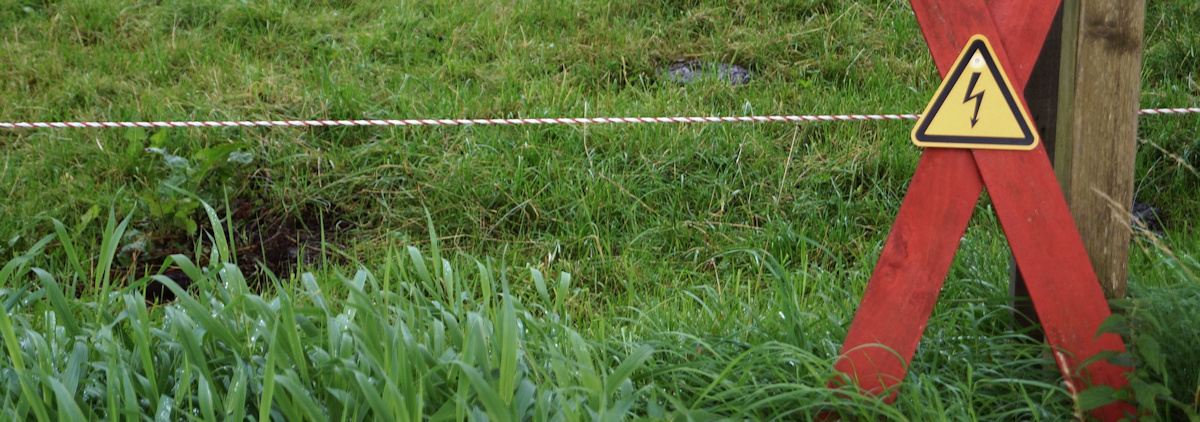
- Where there is a need to keep cattle with calves, or a bull in a field with public access, do all that you can to keep animals and people separated. Consider the use of fencing (permanent or temporary eg electric fencing). This is particularly important at busy times, or where access routes are heavily used.
- Assess the temperament of any cattle before putting them into a field with public access.
- If cattle, especially cows with calves, do need to be put into fields with public access, keep this period to a minimum.
- Position feed and water troughs away from public access routes and away from public entrances and exists to the field.
- Put in place a system to monitor any cattle in fields with public access at least on a daily basis. It may be worth recording this.
- Consider culling any animal that shows signs of aggression.
- Any animal that has shown any sign of aggression must not be kept in a field with public access.
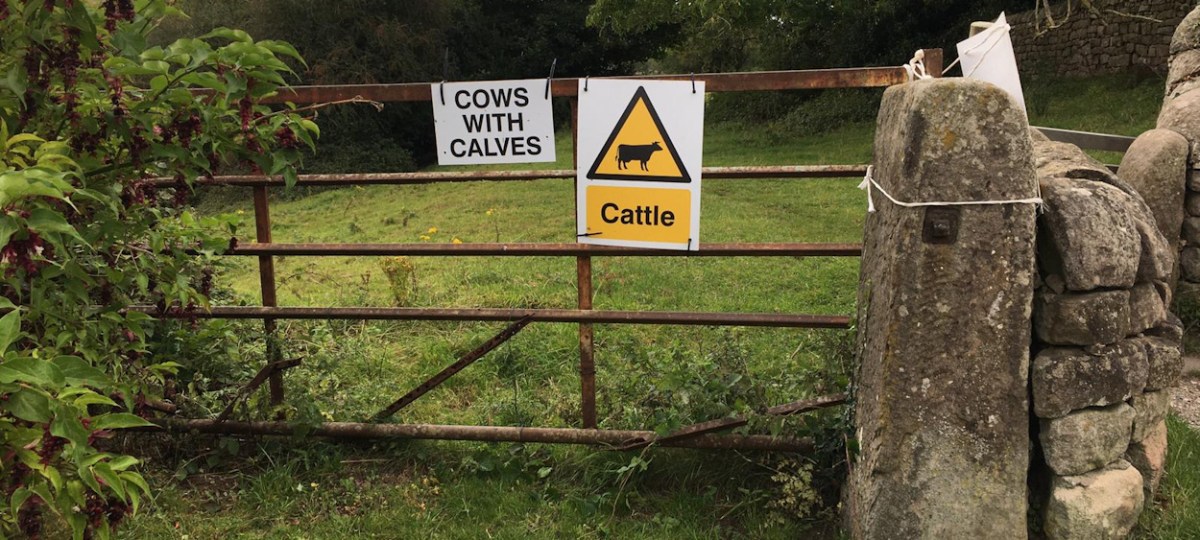
- Clearly sign post all public access routes across the farm. Display signage at all entrances to the field stating what is in the field (cows with calves/bulls).



 Cattle Safety